

Choosing yeast is easier when you start with the recipe, not a promise of the “best” rise. Active dry yeast is a versatile choice for bread, pizza dough, dinner rolls, and many enriched doughs. This guide covers how much to buy, how to measure and proof it, and how to keep the rest ready for your next bake.
Ethikli’s Active Dry Yeast from Red Star is available online in 1 oz increments, so you can plan your purchase around what you actually need.
Active dry or instant yeast: which fits your recipe?
Both active dry and instant yeast ferment dough, producing the gas that helps it rise. Active dry yeast is a good fit when your recipe includes dissolving yeast in water first, or when you want to check its activity before committing your flour and other ingredients. Instant yeast generally mixes directly into dry ingredients and is convenient for recipes designed around that method.
Neither type automatically makes better bread. Recipe proportions, dough temperature, kneading, and fermentation time all matter. Follow the yeast type and method specified in a tested recipe whenever possible. For a bread machine, check the machine’s instructions as well: the Active Dry Yeast sold at Ethikli is not recommended for Express or Rapid cycles.
How much yeast should you buy?
Start with the amount in your favorite recipe and how often you bake. A standard yeast packet contains about 7 g, commonly measured as 2¼ teaspoons. One ounce is about 28 g, or roughly four standard packets by weight. That makes a 1 oz purchase a practical starting point for occasional baking, rather than buying a large quantity you may not use promptly.
Check the current Active Dry Yeast listing for ordering details, ingredients, and usage instructions. Its ingredients are yeast and sorbitan monostearate. In-store shoppers can bring a clean, dry container and buy the amount they need.
Measuring active dry yeast accurately
Use a small digital scale when your recipe gives yeast in grams, especially when scaling a recipe or measuring small quantities for a long fermentation. For spoon measurements, use a dry measuring spoon and level it rather than heaping or packing the granules. Do not confuse teaspoons with tablespoons: one tablespoon equals three teaspoons.
Use the yeast quantity in your recipe rather than treating a yeast-to-flour ratio as universal. A slow-rise dough may use much less yeast than a same-day loaf. Adding extra yeast to hurry a recipe also changes its fermentation schedule, so watch the dough rather than relying only on the clock.
How to proof active dry yeast before mixing
Proofing here means checking that the yeast is active before adding it to your dough. It is different from the later rise of a shaped loaf. Follow the product’s directions if they differ from general advice.
- For the Red Star Active Dry Yeast sold at Ethikli, dissolve 2¼ teaspoons of yeast in ¼ cup of warm water at 110–115°F with ½ teaspoon of sugar, following the product listing.
- Use a thermometer rather than guessing by touch. Water that is too hot can damage the yeast.
- Wait 5–10 minutes. A frothy mixture indicates activity. If it stays flat, check the temperature and try fresh yeast before mixing a full batch.
- Add the mixture according to your recipe. Count the proofing water and sugar toward the recipe’s totals, rather than adding extra liquid and sugar on top.
Some yeast products and recipes allow direct mixing without a separate proofing step. For this product, use the dissolving method above unless your tested recipe provides an appropriate alternative.
Refrigeration, freezing, and keeping yeast dry
After purchase, transfer yeast to a tightly sealed, moisture-resistant container and label it with the date. The Ethikli product listing recommends refrigeration or freezing, with use within four months when refrigerated or six months when frozen. Follow any shorter date or instructions supplied with your purchase.
Keep the container away from moisture and use a clean, dry spoon. Bring the amount of refrigerated yeast you need to room temperature before use, as directed on the listing, and return the remaining supply promptly to cold storage. If storage conditions are uncertain, proof a small recipe-sized portion before baking.
Substituting active dry yeast for instant yeast
Check the recipe or yeast manufacturer’s conversion guidance first. Many modern recipes allow active dry and instant yeast to be exchanged in equal amounts, but some specify a different ratio. Use a stated conversion when one is provided rather than applying a universal rule.
When using active dry instead of instant, dissolve it as directed and deduct that water from the recipe’s liquid. Allow flexibility in the rise: the dough may take longer to reach the same stage. When using instant instead of active dry, follow the instant yeast’s mixing directions and start checking the dough earlier. Baking powder, baking soda, and nutritional yeast are not direct substitutes for baker’s yeast in a yeast-bread recipe.
What if the dough is rising slowly?
Cool rooms and cold ingredients slow fermentation, while rich doughs with substantial sugar or fat can need more time. Look for the expansion and texture described in your recipe rather than forcing every dough into a fixed timetable. Keep dough comfortably warm, not hot. If there is no activity at all, review yeast freshness, water temperature, and whether the recipe quantities were measured correctly before starting again.
Ready for your next bake?
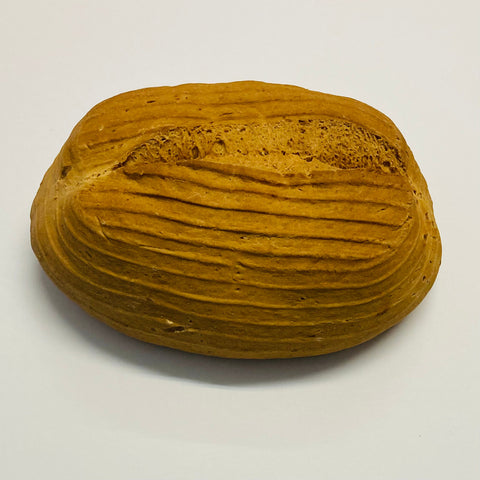
Choose a tested recipe, measure the yeast carefully, and buy a quantity you can store well and use. Shop Active Dry Yeast for your next homemade loaf or pizza dough. For days when you would rather skip the mixing and rising, explore Ethikli’s Bread collection.

Comments (0)
There are no comments for this article. Be the first one to leave a message!